
Habitat Setup
Provide a spacious, secure enclosure with bedding, hiding spots, and enrichment items tailored to your pet's species.
Small animals make wonderful pets, offering companionship, joy, and unique personalities. From furry friends to scaly companions, there's a small animal for every lifestyle and living space.
Popular small pets include hamsters, guinea pigs, rabbits, ferrets, and bearded dragons. Each species has distinct care requirements, dietary needs, and behavioral traits.

Proper care ensures your small pet lives a happy, healthy life. Focus on habitat setup, nutrition, and daily interaction.
Provide a spacious, secure enclosure with bedding, hiding spots, and enrichment items tailored to your pet's species.
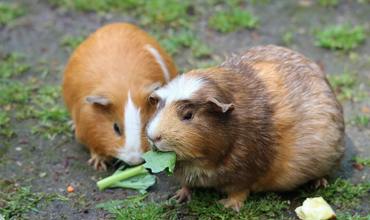
Offer a balanced diet specific to your pet's needs, including fresh vegetables, pellets, or specialized food.
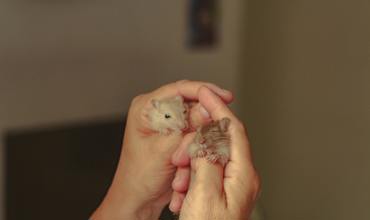
Spend time daily handling, playing, and bonding with your pet to ensure their emotional well-being.
Small animals may require adjustments in care throughout the year to ensure their comfort and health.
Keep habitats cool and provide fresh water. Monitor for heat stress, especially in furry pets like rabbits and guinea pigs.
Ensure habitats are warm and draft-free. Provide extra bedding for insulation, especially for reptiles and small mammals.
Deep clean habitats and replace old bedding. Check for pests and ensure ventilation as temperatures rise.
Prepare for colder weather by insulating habitats and ensuring heating sources are safe and functional.
Maintain proper humidity levels, especially for reptiles and amphibians, using humidifiers or misting systems.
Ensure proper airflow in habitats to prevent respiratory issues, especially in small mammals and birds.
Provide chew toys for rodents to keep their teeth healthy and prevent overgrowth.
Create a safe play area outside the habitat for supervised exploration and exercise.
Use species-appropriate substrates to maintain cleanliness and comfort in the habitat.

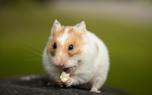
Whether you're a first-time pet owner or an experienced caretaker, these fundamentals are essential for your small animal's well-being.
| Element | Description |
|---|---|
| Habitat | Provide a spacious, secure, and species-appropriate environment with proper ventilation and temperature control. |
| Nutrition | Offer a balanced diet tailored to your pet's species, including fresh food, pellets, and supplements as needed. |
| Hydration | Ensure constant access to clean, fresh water. Use water bottles or bowls depending on your pet's preference. |
| Exercise | Provide opportunities for physical activity, such as wheels for hamsters or playpens for rabbits, to prevent obesity and boredom. |
| Health Monitoring | Regularly check for signs of illness or injury. Schedule vet visits for check-ups and vaccinations as needed. |
| Socialization | Spend time interacting with your pet daily to strengthen your bond and ensure their mental health. |
Caring for small animals is a rewarding experience. With the right knowledge and dedication, you can provide a loving home for your tiny companion.