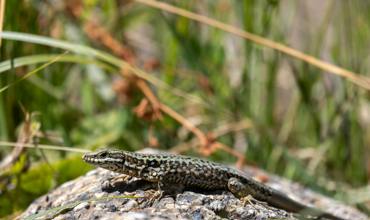
Temperature
Maintain a temperature gradient with a warm side and a cool side. Use heat lamps, mats, or thermostats to regulate temperature.
Reptiles and amphibians are fascinating creatures that thrive in diverse habitats, from tropical rainforests to arid deserts. They offer a unique glimpse into the natural world, with their distinct behaviors and adaptations.
Popular types include bearded dragons, leopard geckos, ball pythons, red-eyed tree frogs, and axolotls. Each species has specific care requirements, habitat needs, and dietary preferences.
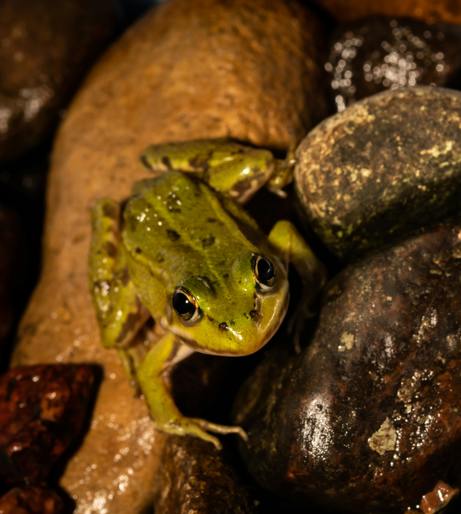
Proper care ensures the health and longevity of your reptiles and amphibians. Temperature, humidity, and habitat setup are critical factors for their well-being.
Maintain a temperature gradient with a warm side and a cool side. Use heat lamps, mats, or thermostats to regulate temperature.
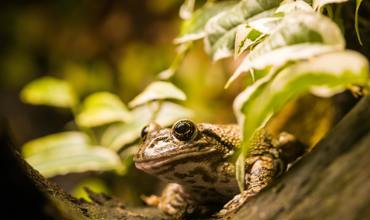
Monitor humidity levels based on species requirements. Use hygrometers, misters, or humidifiers to maintain optimal conditions.
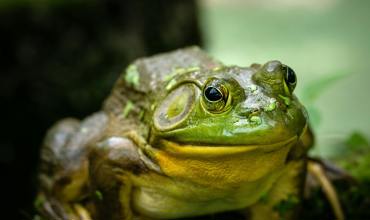
Create a naturalistic environment with substrate, hiding spots, and appropriate lighting. Ensure the enclosure size matches the species' needs.
Reptiles and amphibians may exhibit seasonal behaviors. Adjust care routines to accommodate changes in temperature, humidity, and activity levels.
Increase feeding frequency and provide ample water. Monitor for overheating and ensure proper ventilation.
Reduce feeding and lower temperatures for brumating species. Maintain minimal activity and monitor health closely.
Provide humid hides and gentle misting to aid shedding. Monitor for incomplete sheds and assist if necessary.
Gradually reduce temperatures and light exposure. Prepare for potential brumation or reduced activity.
Adjust humidity levels based on seasonal changes. Use misters or humidifiers for tropical species.
Ensure proper airflow to prevent respiratory issues. Clean enclosures regularly to maintain hygiene.
Provide a variety of hiding spots to reduce stress and mimic natural habitats.
Use live plants in enclosures to improve humidity and create a natural environment.
Regularly monitor water quality for aquatic amphibians and turtles.
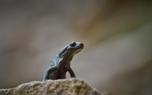
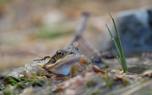
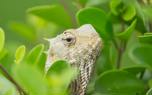
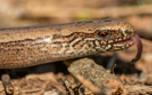
Whether you're a novice or experienced keeper, mastering these fundamentals ensures the health and happiness of your reptiles and amphibians.
| Element | Description |
|---|---|
| Temperature | Maintain a thermal gradient with a warm side (basking area) and a cool side for thermoregulation. |
| Humidity | Adjust humidity levels based on species requirements. Use hygrometers and misters for accuracy. |
| Lighting | Provide UVB lighting for diurnal reptiles to support vitamin D synthesis and calcium absorption. |
| Diet | Offer a balanced diet tailored to the species. Include live prey, vegetables, and supplements as needed. |
| Hydration | Ensure access to clean water. Mist amphibians and provide water dishes for soaking and drinking. |
| Enclosure Size | Provide ample space for movement and natural behaviors. Research species-specific requirements. |
Keeping reptiles and amphibians is a rewarding experience. With proper care, your scaly or slimy friends can thrive and bring joy to your life.