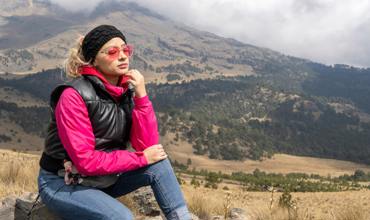
Base Layers
Moisture-wicking fabrics keep you dry by moving sweat away from your skin. Opt for lightweight, breathable materials like merino wool or synthetic blends.
Hiking clothing is designed to keep you comfortable, protected, and prepared for varying trail conditions. From lightweight layers to durable outerwear, the right gear enhances your outdoor experience.
Essential types include moisture-wicking base layers, breathable mid-layers, waterproof shells, and sturdy hiking pants. Each piece serves a specific purpose, catering to different weather conditions and activity levels.
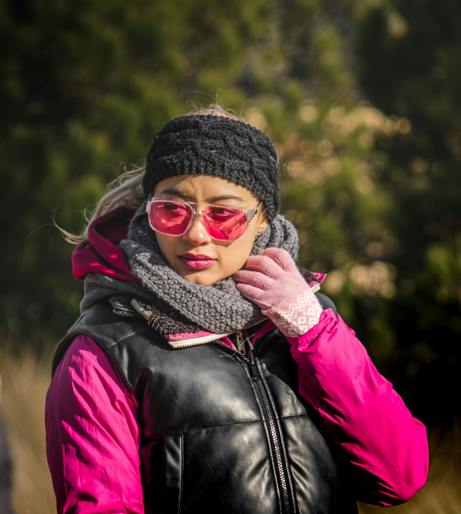
Choosing the right hiking clothing ensures comfort and safety on the trail. Focus on moisture management, insulation, and protection from the elements.
Moisture-wicking fabrics keep you dry by moving sweat away from your skin. Opt for lightweight, breathable materials like merino wool or synthetic blends.

Insulating mid-layers provide warmth without adding bulk. Fleece jackets or down vests are excellent choices for retaining heat in cooler conditions.
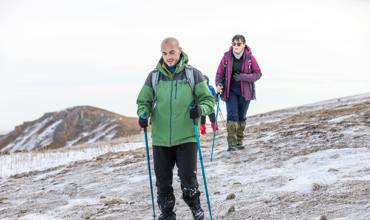
Waterproof and windproof shells protect against rain, snow, and wind. Look for breathable fabrics with sealed seams for maximum protection.
Adjust your hiking clothing to match the season. Layering is key to adapting to changing weather conditions throughout the year.
Lightweight, breathable fabrics are essential. Prioritize sun protection with long sleeves and wide-brimmed hats.
Layer with thermal base layers, insulated mid-layers, and waterproof outerwear. Don't forget gloves and a warm hat.
Versatile layering is crucial. Pack a mix of lightweight and insulating layers to adapt to fluctuating temperatures.
Always pack a lightweight, packable rain jacket, even on clear days. Weather can change quickly on the trail.
Choose hiking pants with stretch for better mobility. Look for features like reinforced knees and quick-drying fabric.
Invest in quality hiking socks to prevent blisters. Merino wool blends offer excellent moisture management and cushioning.




Whether you're a beginner or an experienced hiker, understanding these key elements will help you stay comfortable and safe on the trail.
| Element | Description |
|---|---|
| Moisture Management | Choose fabrics that wick sweat away from your skin to keep you dry and prevent chafing. |
| Insulation | Layer with insulating garments to retain body heat in cold conditions. Down or synthetic fills are popular choices. |
| Weather Protection | Waterproof and windproof outer layers shield you from rain, snow, and wind. Ensure seams are sealed for full protection. |
| Breathability | Breathable fabrics allow sweat vapor to escape, preventing overheating during strenuous activities. |
| Durability | Opt for durable materials that can withstand rough terrain and frequent use. Reinforced stitching and abrasion-resistant fabrics are ideal. |
| Fit and Comfort | Clothing should fit well without restricting movement. Look for ergonomic designs and adjustable features for a customized fit. |
With the right hiking clothing, you can focus on enjoying the trail and taking in the beauty of nature, no matter the conditions.