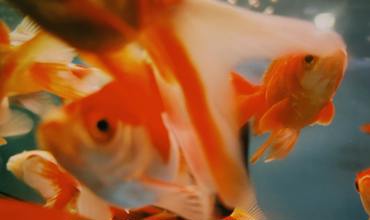
Water Quality
Maintain optimal pH, ammonia, and nitrate levels. Regular water testing and changes are essential for fish health.
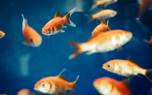
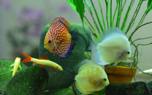
Fish and aquatic pets bring tranquility and beauty to your home, offering a glimpse into the underwater world. With a wide variety of species, there's an aquatic pet for every enthusiast and space.
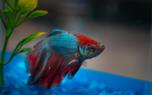
Popular types include freshwater fish like guppies, bettas, and goldfish, as well as saltwater species like clownfish and tangs. Each type has unique care needs, tank requirements, and behavioral traits.
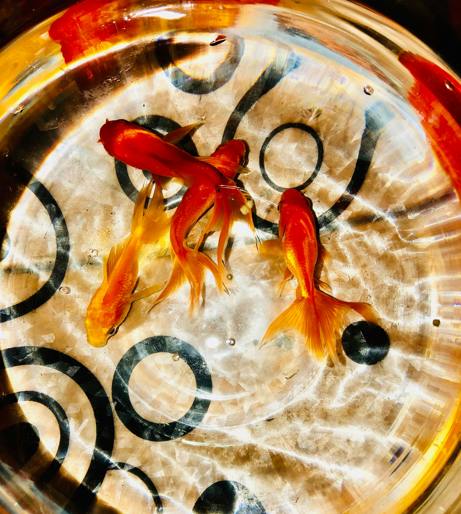
Healthy aquatic pets start with the right environment. Water quality, tank setup, and feeding are key to a thriving aquatic ecosystem.
Maintain optimal pH, ammonia, and nitrate levels. Regular water testing and changes are essential for fish health.
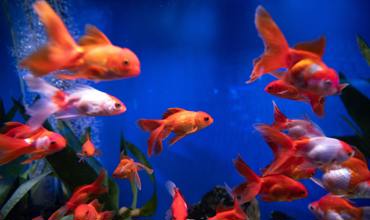
Choose the right tank size, filtration system, and decorations to mimic natural habitats and reduce stress.
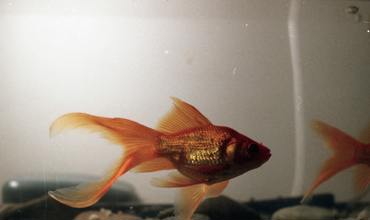
Feed a balanced diet specific to your fish species. Avoid overfeeding to prevent water pollution and health issues.
Fish and aquatic pets require seasonal adjustments. Monitor temperature, lighting, and feeding habits to ensure their well-being throughout the year.
Monitor tank temperature and use chillers or fans to prevent overheating. Increase water changes to maintain quality.
Use heaters to maintain stable temperatures. Reduce feeding as fish metabolism slows in colder months.
Perform thorough tank maintenance, including filter cleaning and substrate vacuuming, to prepare for active seasons.
Check equipment and insulate tanks if necessary. Gradually adjust lighting and feeding schedules.
Increase water testing frequency during seasonal transitions to catch any imbalances early.
Spring is often breeding season for many fish. Provide appropriate breeding environments and care for fry.
Regularly clean the tank glass to maintain visibility and aesthetic appeal.
Introduce live plants to improve water quality and provide hiding spots for fish.
Use a variety of decorations to create a stimulating environment for your aquatic pets.
Whether you're a beginner or an experienced aquarist, mastering these fundamentals ensures a healthy and vibrant aquatic environment.
| Element | Description |
|---|---|
| Water Quality | Maintain proper pH, ammonia, nitrite, and nitrate levels. Regular testing and water changes are crucial. |
| Filtration | Use an appropriate filtration system to remove toxins and maintain water clarity. |
| Temperature | Keep water temperature stable and within the optimal range for your fish species. |
| Feeding | Provide a balanced diet and avoid overfeeding to prevent water pollution and health issues. |
| Tank Environment | Create a natural habitat with plants, decorations, and adequate swimming space. |
| Health Monitoring | Regularly observe fish for signs of stress, disease, or injury, and take prompt action. |
Aquatic pet keeping is a rewarding hobby. With the right care, your aquarium can become a captivating underwater world.