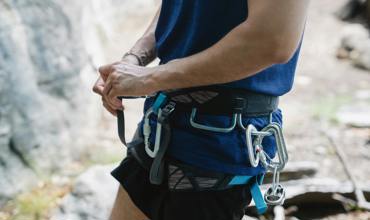
Harnesses
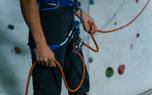
Choose a harness that fits comfortably and securely. Look for adjustable leg loops and padded waistbands for extended climbs.
Climbing equipment is essential for safety and performance, whether you're scaling indoor walls or outdoor cliffs. Each piece serves a specific purpose, from protection to comfort.
Essential gear includes harnesses, ropes, carabiners, belay devices, and climbing shoes. Specialized equipment like cams, nuts, and quickdraws cater to different climbing styles and terrains.
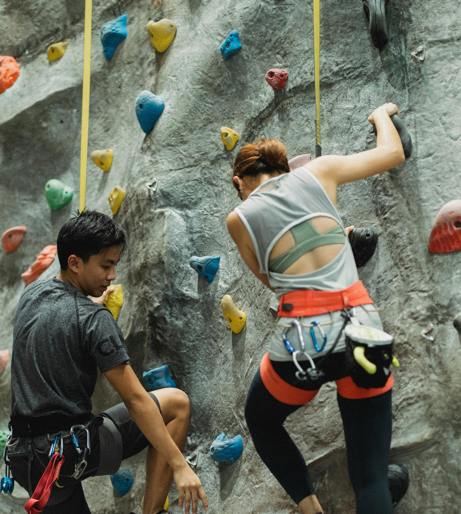
Mastering climbing starts with the right gear. Harnesses, ropes, and shoes are fundamental to safety and performance.
Choose a harness that fits comfortably and securely. Look for adjustable leg loops and padded waistbands for extended climbs.
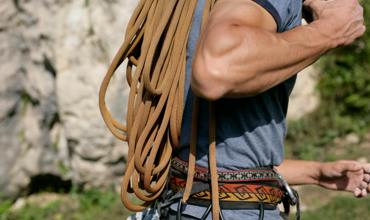
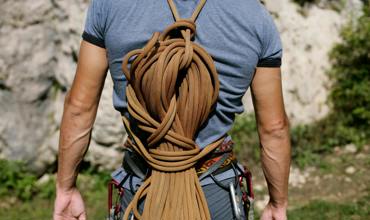
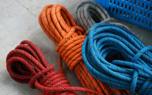
Dynamic ropes absorb falls, while static ropes are ideal for rappelling. Ensure the length and thickness match your climbing style.
Select shoes with the right fit and rubber type for your climbing discipline. Aggressive downturned shoes excel on overhangs, while neutral shoes are better for long routes.
Proper maintenance extends the life of your gear and ensures safety. Regularly inspect ropes, carabiners, and harnesses for wear and tear.
Store ropes in a cool, dry place. Avoid stepping on them and use rope bags to prevent dirt and damage.
Check for cracks, bends, or gate malfunctions. Retire carabiners after heavy falls or visible damage.
Inspect straps and buckles for wear. Clean with mild soap and water, avoiding harsh chemicals.
Keep shoes dry and avoid prolonged exposure to heat. Use shoe stretchers to maintain shape and fit.
Ensure moving parts function smoothly. Replace devices after significant wear or malfunctions.
Inspect slings for fraying and carabiners for damage. Replace worn components promptly.
Practice footwork to improve efficiency and reduce arm fatigue.
Learn to read routes to plan your moves and conserve energy.
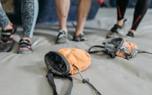
Use chalk to maintain grip, especially on sweaty or humid days.

Whether you're a beginner or an experienced climber, these fundamentals ensure safety and success on the wall or rock face.
| Element | Description |
|---|---|
| Belaying | Master proper belaying techniques to ensure the climber's safety. Practice both lead and top-rope belaying. |
| Knots | Learn essential knots like the figure-eight follow-through and clove hitch for securing ropes and gear. |
| Communication | Clear communication between climber and belayer is critical. Establish signals and commands before starting. |
| Gear Inspection | Always inspect gear before use. Check for wear, damage, and proper functionality. |
| Route Planning | Study the route beforehand to identify rests, cruxes, and potential hazards. |
| Physical Conditioning | Build strength, flexibility, and endurance through targeted exercises to improve climbing performance. |
Climbing is both a physical and mental challenge. With the right gear, knowledge, and practice, you can conquer new heights safely and confidently.