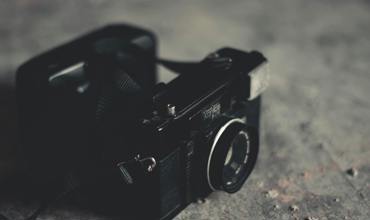
Aperture
Control depth of field by adjusting the aperture. Wider apertures create a shallow focus, ideal for portraits.
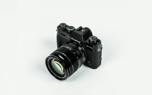
Cameras capture moments, offering creativity, precision, and the ability to freeze time. With a wide variety of types, there's a camera for every photographer and occasion.
Popular types include DSLRs, mirrorless cameras, point-and-shoots, and action cameras. Each type comes with its own features, lens options, and shooting capabilities.
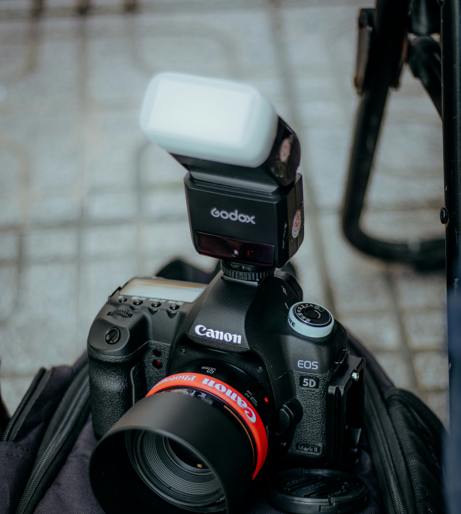
Mastering photography starts with understanding the essentials. Aperture, shutter speed, and ISO are key to capturing the perfect shot.
Control depth of field by adjusting the aperture. Wider apertures create a shallow focus, ideal for portraits.
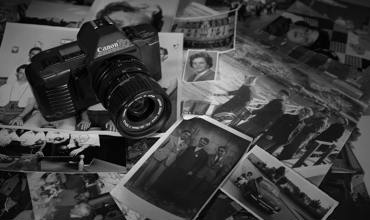
Freeze motion or create blur by adjusting shutter speed. Faster speeds capture action, while slower speeds create motion effects.
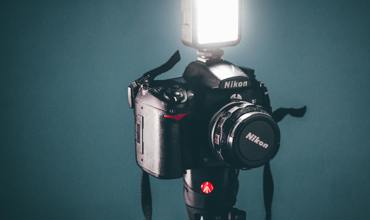
Adjust ISO to control sensitivity to light. Lower ISO reduces noise, while higher ISO allows shooting in low light.
Explore advanced techniques to enhance your photography skills. From composition to post-processing, elevate your images to the next level.
Use the rule of thirds, leading lines, and framing to create visually appealing images.
Enhance colors, adjust exposure, and refine details using editing software like Lightroom or Photoshop.
Master natural and artificial lighting to create mood and highlight subjects effectively.
Experiment with manual focus, focus stacking, and selective focus for creative effects.
Choose the right lens for your subject—wide-angle for landscapes, telephoto for wildlife, and macro for close-ups.
Understand white balance, metering modes, and drive modes to optimize your camera for any situation.
Experiment with long exposure to capture light trails and motion blur.
Use reflectors to bounce light and soften shadows in portraits.
Invest in a sturdy tripod for sharp images in low light conditions.


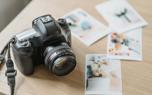
Whether you're a beginner or a seasoned photographer, mastering these fundamentals will help you capture stunning images.
| Element | Description |
|---|---|
| Composition | Apply the rule of thirds, leading lines, and balance to create visually appealing images. |
| Lighting | Understand natural and artificial light to enhance mood and highlight subjects. |
| Focus | Master autofocus and manual focus techniques for sharp and creative images. |
| Exposure | Balance aperture, shutter speed, and ISO for properly exposed photos in any lighting condition. |
| Post-Processing | Use editing software to enhance colors, adjust exposure, and refine details. |
| Gear | Invest in quality cameras, lenses, and accessories to elevate your photography. |
Photography is a rewarding art form. With practice and the right techniques, you can capture moments that last a lifetime.