Mikey Nelson
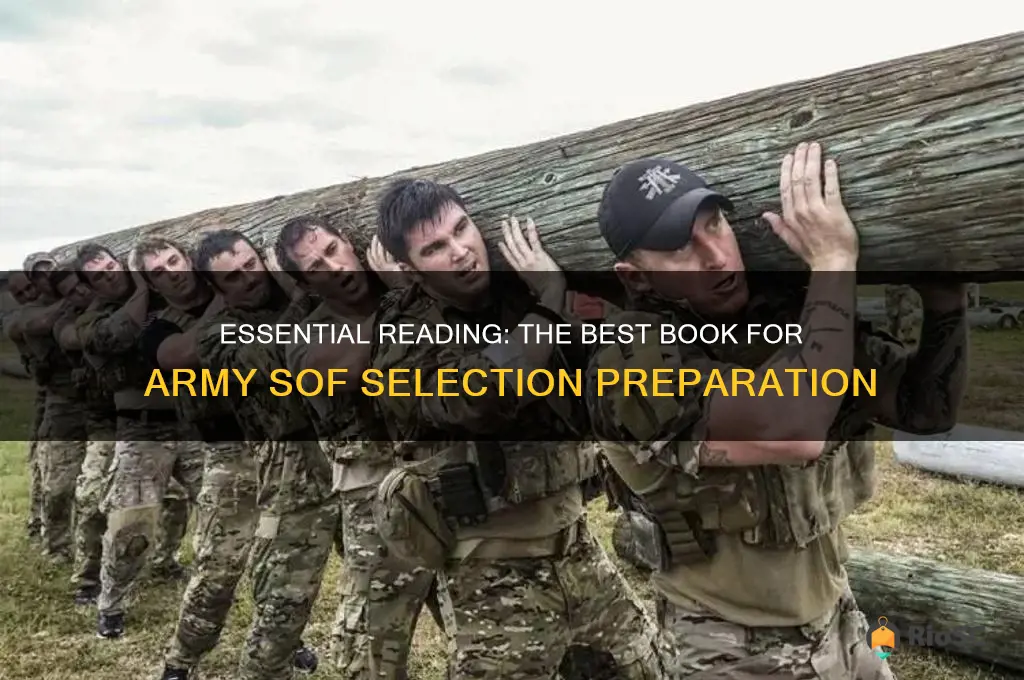
When preparing for the Army Special Forces Combat Tactical Test (CTES), selecting the right study material is crucial for success. The Best Book for Army SOF CTES is a comprehensive guide specifically designed to meet the rigorous demands of this critical assessment. It offers in-depth coverage of key topics, including tactical decision-making, land navigation, and combat operations, all tailored to the unique challenges faced by Special Forces candidates. With detailed explanations, practice scenarios, and expert insights, this book ensures thorough preparation, helping aspirants build the knowledge and skills necessary to excel in the CTES and advance in their military careers. Whether you're a seasoned soldier or a new recruit, this resource is an indispensable tool for mastering the complexities of Special Forces operations.
Explore related products
![FM 31-20 Special Forces Operational Techniques: [Annotated] Declassified Tactics, Training, and Unconventional Warfare Strategies](https://m.media-amazon.com/images/I/81d+lPASqaL._AC_UY218_.jpg)
![FM 3-05.130 Army Special Operations Forces: Unconventional Warfare: [Annotated] The U.S. Army Green Beret Doctrine for Modern Irregular Warfare](https://m.media-amazon.com/images/I/81aHfzHyFJL._AC_UY218_.jpg)

$46.33 $62.99


Top product ratings
- Army Wives: Military Marriage Secrets
- Winter Army: WWII Odyssey of 10th Mountain Division, America's Alpine Elite
- Mission at Nuremberg: Chaplain's Role in Nazi Trial – Morality vs. Absolute Evil
- Map Reading & Land Navigation: US Army Field Manual (2001 Civilian Edition)
- US Army in the Pacific War, 1941-1943: Fire and Fortitude

Army Wives: Military Marriage Secrets


"Army Wives: The Unwritten Code of Military Marriage" by Tanya Biank is a compelling Kindle Edition book that delves into the lives of military wives, exploring the challenges, sacrifices, and realities of their experiences. Based on true stories, it offers a raw and insightful look at the impact of military life on families, particularly during times of war. The book has received a 4.4-star rating from 445 reviews and is available for $10.02, discounted from $17.99.
| Specifications | Value |
|---|---|
| Product Title | Army Wives: The Unwritten Code of Military Marriage |
| Price | $10.02 |
| Original Price | $17.99 |
| Format | Kindle Edition |
| Author | Tanya Biank |
| Publication Date | May 29, 2007 |
| Publisher | St. Martin's Griffin |
| File Size | 2.7 MB |
| Print Length | 300 pages |
| Star Rating | 4.4 |
| Number of Ratings | 445 |
| Best Sellers Rank | #663,596 in Kindle Store |
Reasons to Buy "Army Wives: The Unwritten Code of Military Marriage":
- Insightful and Realistic Portrayal: The book offers a raw and honest look at the lives of military families, particularly the wives, during times of war. It delves into the emotional and psychological toll of military life, providing a deeper understanding of the sacrifices made by these families.
- Well-Written and Engaging: Reviewers consistently praise the author's writing style, describing the book as "well-written," "riveting," and "easy-reading." The narrative is compelling, making it a fast-paced and thought-provoking read.
- Based on Real Events: The book is grounded in real-life experiences, including the murders that took place at Fort Bragg. This authenticity adds a layer of depth and significance to the story, making it more impactful and memorable.
- Educational Value: Readers who are unfamiliar with military life will gain valuable insights into the unique challenges faced by army wives. The book serves as an eye-opener, fostering empathy and appreciation for the sacrifices made by military families.
- Complementary to the TV Show: Fans of the Lifetime series "Army Wives" will appreciate the book's connection to the show. While the series is a fictionalized portrayal, the book provides a more realistic and nuanced perspective on the same themes.
- Thought-Provoking and Emotional: The book evokes strong emotions, from sadness to anger, as readers witness the struggles and triumphs of the characters. It encourages reflection on the treatment of military personnel and their families, sparking important conversations.
Reasons to Avoid "Army Wives: The Unwritten Code of Military Marriage":
- Grim and Upsetting Content: The book deals with heavy themes, including murder, domestic violence, and the psychological impact of war. Some readers may find the content disturbing or triggering, particularly those with personal connections to military life or trauma.
- Lack of Definitive Answers: While the book raises important questions about the nature of military life and its impact on families, it does not provide clear-cut answers. Some readers may be left wanting more analysis or conclusions.
- Limited Focus: The book primarily focuses on the experiences of army wives, with little attention given to army husbands or other perspectives. This narrow focus may not appeal to readers seeking a more comprehensive understanding of military life.
- Potential for Bias: As a work of narrative nonfiction, the book may be influenced by the author's personal experiences and perspectives. Readers should be aware that the portrayal of military life may not be entirely objective or representative of all experiences.
- Not a Light Read: Given its heavy subject matter and emotional intensity, this book may not be suitable for readers seeking a light or escapist read. It requires a certain level of emotional investment and engagement from the reader.
- Possible Discrepancies with TV Show: While the book complements the TV series, readers who are fans of the show may be disappointed by the differences in tone and content. The book is more realistic and less sensationalized than the series, which may not align with some readers' expectations.
Ultimately, the decision to buy or avoid "Army Wives: The Unwritten Code of Military Marriage" depends on individual preferences and interests. Readers who are drawn to thought-provoking, emotionally intense narratives and have an interest in military life may find the book rewarding. However, those who are sensitive to heavy themes or seeking a more lighthearted read may want to approach this book with caution.
Compare to other products
"Army Wives: The Unwritten Code of Military Marriage" by Tanya Biank stands out in the realm of military and biographical literature for its unique focus on the lives of Army wives, a perspective often overshadowed by the broader narratives of military service. Compared to other books in the genre, such as those focusing on combat experiences or strategic analyses, this book delves deeply into the personal and emotional sacrifices of military families, particularly the women who support their spouses in uniform.
Unlike more academic or statistical works, Biank’s narrative is grounded in the intimate stories of four Army wives, offering a case study-like approach that humanizes the challenges of military life. This contrasts with broader surveys or policy-focused books, which may lack the personal touch that makes "Army Wives" so compelling. For instance, while books like "The Soldiers' Tale" by Samuel Hynes provide a comprehensive overview of military life, Biank’s work zeroes in on the familial and emotional dimensions, making it a more relatable read for those personally connected to military families.
In comparison to fictional portrayals of military life, such as the TV series *Army Wives*, the book is praised for its authenticity and lack of Hollywood gloss. Readers who have watched the series often find the book to be a more raw and honest depiction of the realities faced by military spouses. This authenticity is a recurring theme in reviews, with many readers appreciating the book’s ability to convey the unspoken rules and unyielding pressures of military marriage.
Furthermore, "Army Wives" distinguishes itself from other biographical works by its focus on a specific subculture within the military community. While books like "Band of Brothers" by Stephen E. Ambrose celebrate the camaraderie and heroism of soldiers, Biank’s work highlights the often-overlooked roles of the women who maintain the home front. This niche focus makes it a valuable addition to the literature on military families, offering insights that broader works might miss.
In terms of writing style, the book is described as well-written and engaging, though some readers note a preference for more polished editing. This contrasts with more formal or scholarly texts, which may prioritize structure and analysis over narrative flow. The book’s accessibility and emotional resonance make it a standout choice for both those familiar with military life and those seeking to understand it better.
Overall, "Army Wives" holds a unique position in the landscape of military literature, offering a deeply personal and insightful look into the lives of Army wives that complements and contrasts with other works in the genre. Its focus on the human stories behind the uniform sets it apart, making it a must-read for anyone interested in the full spectrum of military life.
For whom it is recommended
The book *Army Wives: The Unwritten Code of Military Marriage* by Tanya Biank would be particularly recommended to the following groups:
- Military Spouses and Families: Current or former military spouses, partners, and family members who are looking for insights into the unique challenges and experiences of military life. The book provides a deep dive into the emotional and practical aspects of being married to someone in the military.
- Military Personnel: Active-duty service members or veterans who want to better understand the impact of their service on their families. It offers a perspective on the sacrifices and struggles faced by their loved ones.
- Fans of the TV Show *Army Wives*: Viewers of the Lifetime series *Army Wives* who are curious about the real-life stories and issues that inspired the show. The book provides a more authentic and detailed look at military life compared to the dramatized version on TV.
- Sociology and Anthropology Students: Students or researchers interested in studying subcultures, particularly military communities. The book serves as a case study of the lives of military wives and the dynamics of military families.
- General Readers Interested in Military Life: Anyone who wants to gain a better understanding of the realities of military families, including the emotional toll of deployments, the impact of war, and the unique challenges of military marriages.
- Support Workers and Counselors: Professionals who work with military families, such as counselors, social workers, or support group leaders, who want to better understand the issues their clients face.
- History and War Enthusiasts: Readers interested in the human side of military history, particularly the Iraq War era, as the book provides personal stories that complement broader historical narratives.
- Book Clubs and Discussion Groups: Groups looking for thought-provoking, real-life stories that spark meaningful conversations about sacrifice, resilience, and the complexities of military life.
Overall, *Army Wives* is a compelling read for anyone seeking to understand the unspoken rules, challenges, and sacrifices of military marriages, as well as the strength and resilience of the women who support their service members.
Ultimate Comfort and Style: Top Picks for the Best Futon Sofa Bed
You may want to see also
Explore related products


US Army in the Pacific War, 1941-1943: Fire and Fortitude

"Fire and Fortitude: The US Army in the Pacific War, 1941-1943" is an audiobook written by John C. McManus and narrated by Walter Dixon. Published by Penguin Audio, this 24-hour and 18-minute listening experience offers an in-depth, engaging account of the US Army's role in the Pacific Theater during World War II. With a 4.6-star rating from 687 reviews, the audiobook highlights the often-overlooked contributions of Army soldiers, detailing their transformation from an undertrained force to a formidable juggernaut. It features vivid narratives, first-person accounts, and critical analyses of key military leaders, making it a compelling and essential listen for history enthusiasts.
| Specifications | Value |
|---|---|
| Product Title | Fire and Fortitude: The US Army in the Pacific War, 1941-1943 |
| Price | $0.99 |
| Format | Audiobook |
| Listening Length | 24 hours and 18 minutes |
| Author | John C. McManus |
| Narrator | Walter Dixon |
| Publisher | Penguin Audio |
| Release Date | July 30, 2019 |
| Language | English |
| Version | Unabridged |
| Star Rating | 4.6 |
| Number of Ratings | 687 |
Reasons to Buy "Fire and Fortitude: The US Army in the Pacific War, 1941-1943" (Audiobook):
- Comprehensive and Engaging Narrative: The audiobook offers an in-depth, well-researched account of the US Army's role in the Pacific War, focusing on lesser-known campaigns and the experiences of soldiers. It provides a fresh perspective beyond the more commonly covered Marine Corps and Navy stories.
- Authoritative and Scholarly: Written by John C. McManus, a highly acclaimed historian, the book is praised for its scholarly analysis, balanced reporting, and use of primary sources. It’s ideal for history enthusiasts and academics seeking a detailed examination of the period.
- Human-Centric Storytelling: The narrative highlights the personal experiences of soldiers, generals, and POWs, making the history relatable and emotionally impactful. It vividly describes the harsh conditions, battles, and atrocities faced by troops.
- Rehabilitation of the US Army’s Role: The book aims to restore the reputation of the US Army in the Pacific, often overshadowed by the Marines and Navy. It emphasizes the Army’s significant contributions and sacrifices.
- Affordable and Accessible: Priced at $0.99, the audiobook is an excellent value for such a comprehensive and well-regarded work. Its 24-hour listening length ensures a deep dive into the subject.
- Positive Reviews: With a 4.6-star rating and over 687 reviews, the audiobook is highly praised for its storytelling, research, and ability to bring history to life. Many reviewers call it a "must-read" for WWII enthusiasts.
Reasons to Avoid:
- Not a Detailed Campaign History: If you’re looking for a granular, battle-by-battle account, this book may not meet your expectations. It focuses more on the human experience and broader strategic context rather than tactical details.
- Abrupt Ending: Some reviewers noted that the book feels abrupt, as it is the first of a series. If you prefer standalone works, you might find the ending unsatisfying.
- Opinionated Narrative: The author’s strong opinions, particularly about figures like General MacArthur, may not appeal to readers seeking a more neutral or traditional military history.
- Limited Focus on Marines and Navy: While the book’s focus on the Army is a strength, it may disappoint those interested in a more comprehensive overview of the Pacific War, including the roles of the Marines and Navy.
- Audiobook Format: If you prefer physical or digital books with maps and visuals, the audiobook format may not be ideal. Some reviewers specifically praised the maps in the print edition, which are absent in the audio version.
- Intense and Graphic Content: The book includes detailed descriptions of harsh conditions, atrocities, and the suffering of soldiers and POWs. This may be too intense for some listeners.
Compare to other products
"Fire and Fortitude: The US Army in the Pacific War, 1941-1943" stands out in the realm of World War II historical narratives, particularly when compared to other products in the genre. Unlike many works that focus predominantly on the U.S. Marine Corps or the Navy, this book shifts the spotlight to the often-overlooked contributions of the U.S. Army in the Pacific theater. This unique perspective is a significant differentiator, as it challenges the traditional narrative and provides a more comprehensive understanding of the war.
In terms of narrative style, "Fire and Fortitude" is praised for its engaging, novel-like storytelling, which sets it apart from more dry, factual accounts. The author, John C. McManus, masterfully weaves together the experiences of individual soldiers, the complexities of military leadership, and the brutal realities of combat, creating a vivid and immersive reading experience. This approach is particularly notable when compared to more traditional, campaign-focused histories that often lack the human element.
The book's focus on the U.S. Army's transformation from an undertrained garrison force to a formidable fighting machine is another aspect that distinguishes it. This narrative arc, which highlights the Army's growth and adaptation, offers a fresh perspective on the Pacific War, contrasting with works that primarily chronicle the Marines' island-hopping campaigns or the Navy's naval engagements.
Furthermore, "Fire and Fortitude" delves into the political and personal dynamics among high-ranking officers, such as MacArthur, Eichelberger, and Stilwell, providing a nuanced understanding of military leadership. This level of detail regarding Army politics and personalities is not commonly found in other Pacific War histories, which often gloss over these aspects in favor of battle narratives.
In comparison to other products, this book also excels in its treatment of the U.S. Army's experiences in less-covered theaters like New Guinea, the Aleutians, and the Burma campaign. While many histories focus on iconic battles like Midway or Iwo Jima, McManus sheds light on the grueling, disease-ridden campaigns that tested the Army's mettle and played a crucial role in the overall war effort.
Lastly, the inclusion of first-person accounts and the author's emphasis on the soldiers' experiences give "Fire and Fortitude" an authenticity and emotional depth that is not always present in more academically focused or strategically oriented works. This blend of personal narratives and historical analysis makes the book appealing to both general readers and history enthusiasts seeking a more holistic understanding of the Pacific War.
In summary, "Fire and Fortitude" distinguishes itself through its focus on the U.S. Army, its engaging narrative style, its exploration of military leadership dynamics, and its coverage of lesser-known campaigns. These elements combine to offer a unique and compelling perspective on the Pacific War, setting it apart from other products in the genre.
For whom it is recommended
The book *Fire and Fortitude: The US Army in the Pacific War, 1941-1943* by John C. McManus would be an excellent recommendation for several types of readers:
- History Enthusiasts: This book is ideal for individuals passionate about World War II history, particularly those interested in the Pacific Theater. It offers a comprehensive and engaging narrative of the US Army's experiences during the early years of the war, providing new insights and perspectives.
- Military History Scholars: Scholars and students of military history will find this book valuable due to its detailed analysis of military tactics, strategies, and leadership. McManus examines the transformation of the US Army from an undertrained force to a powerful military machine, offering a critical evaluation of key figures like General MacArthur.
- Readers Seeking Untold Stories: The book sheds light on the often-overlooked contributions of the US Army in the Pacific, as the Marines typically receive more attention in popular narratives. It highlights the experiences of unsung Army soldiers, their struggles, and their victories, making it appealing to readers interested in untold or lesser-known stories of the war.
- Fans of Narrative History: McManus's writing style is praised for its narrative approach, making the book accessible and engaging. It is described as a "throw-back to an earlier tradition of narrative history, human drama on an epic scale," which will appeal to readers who enjoy immersive and story-driven historical accounts.
- Those Interested in the Human Experience of War: The book delves into the personal experiences of soldiers, describing the harsh conditions they faced in the Pacific, including disease, extreme weather, and brutal combat. It provides a gritty and honest portrayal of war, making it a compelling read for those interested in the human dimension of military history.
- Readers of Military Biographies: With its focus on key military figures, the book offers insights into the personalities and decisions of leaders like MacArthur, Eichelberger, and Stillwell. It explores their strengths, flaws, and the impact of their leadership on the war effort, making it a great choice for readers who enjoy military biographies.
- Individuals Seeking a Fresh Perspective: McManus's work is described as "boldly revisionist," challenging traditional narratives and offering a fresh perspective on the Pacific War. This aspect will appeal to readers looking for a different interpretation of well-known historical events.
In summary, *Fire and Fortitude* is a well-researched and engaging book that would be highly recommended to a diverse range of readers, from history enthusiasts and scholars to those seeking personal narratives and fresh insights into the Pacific War.
Ultimate Comfort Meets Space-Saving Design: Discover the Best Hideabed Sofas for Modern Living
You may want to see also
Frequently asked questions
The best book for Army SOF Selection preparation is often considered to be *"SOF Prep: The Essential Guide to Special Operations Forces Selection"* by former SOF operators. This book provides comprehensive insights into the physical, mental, and tactical demands of SOF Selection, including detailed training plans, nutrition advice, and firsthand accounts of the selection process.
Yes, *"Special Forces: A Guided Tour of U.S. Army Special Forces"* by Tom Clancy and *"The Green Beret Survival Guide"* by Bob Mayer are highly recommended for SFAS preparation. These books offer in-depth knowledge of SFAS expectations, land navigation techniques, and the mindset required to succeed in Special Forces Selection.
Absolutely, *"Resilience: Hardening Minds, Forging Grit, and the Science of Relentless Positivity"* by Eric Greitens is an excellent resource. It combines personal experiences with psychological strategies to build mental resilience, a critical component for enduring the rigorous challenges of SOF Selection.
Yes, *"The Special Operations Forces Workout: High-Intensity Tactical Training for the Best Possible Shape"* by Stewart Smith is highly regarded. It provides tailored workout plans, conditioning exercises, and recovery strategies designed to meet the extreme physical demands of SOF Selection.
*"Inside Delta Force: The Story of America’s Elite Counterterrorist Unit"* by Eric L. Haney offers detailed firsthand accounts of the selection and training process for Delta Force. While not exclusively about the Army SOF Selection, it provides valuable insights into the mindset and challenges faced by candidates.